Beyond the Sparkle: Why Commercial Pool and Spa Compliance is Non-Negotiable
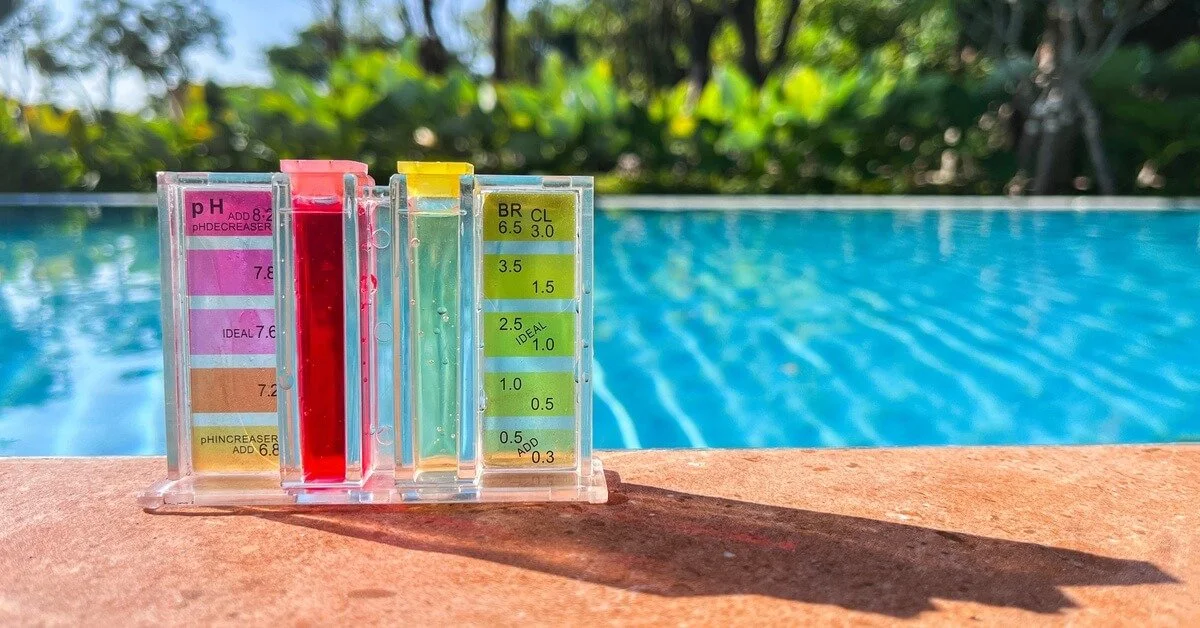
For hotels, fitness centers, community hubs, and waterparks, a sparkling blue pool or a steaming spa is a major selling point. It screams relaxation, luxury, and health. But beneath that pristine, crystal-clear surface lies a complex web of chemistry, engineering, and strict legal standards.
When you manage a commercial aquatic facility, health and safety compliance isn't just a checklist item to pass your annual inspection—it is the baseline framework that protects your guests, your staff, and your business's future.
1. Protecting Public Health: The Invisible Risks
The most immediate reason for strict compliance is human health. Pools and spas are shared environments. Without precise chemical management and filtration, they can rapidly become breeding grounds for waterborne pathogens.
Recreational Water Illnesses (RWIs): Bacteria and parasites like Cryptosporidium, Giardia, and Legionella can thrive in poorly treated water. Legionella, in particular, loves the warm, aerated environment of commercial hot tubs and can cause severe respiratory illness when inhaled via mist.
Chemical Safety: Compliance means striking a perfect balance. Too little sanitizer allows bacteria to grow; too much—or an improper pH balance—causes severe skin irritation, chemical burns, and respiratory distress for swimmers.
2. Preventing Physical Injuries and Drowning
Compliance regulations extend far beyond water chemistry. They govern the physical environment of the facility to eliminate structural hazards.
The Virginia Graeme Baker (VGB) Pool and Spa Safety Act: This federal law mandates compliant drain covers and safety vacuum release systems. It is specifically designed to prevent powerful drain suction from trapping swimmers underwater—a tragic but entirely preventable danger.
Slip, Trip, and Fall Prevention: Regulations dictate the required slip-resistance of deck tiles, the depth-marker visibility, and the presence of proper fencing and self-latching gates to prevent unsupervised access.
3. The Financial and Legal Reality of Non-Compliance
Operating a commercial pool without staying in compliance is a massive gamble with your business's bottom line. The consequences of cutting corners are swift and severe.
Immediate Closure
Fines and Penalties
Litigation & Liability
Reputational Damage
The Compliance Golden Rule: If it isn't documented, it didn't happen. Maintaining meticulous, daily logs of chemical readings, maintenance schedules, and staff training is your best operational habit and your strongest legal shield.
